Qualified & experienced assessors
Professional and reliable service.

Protect your people, property and business with a professional fire risk assessment from Ranova Energy.
Our fire risk assessment services help you identify potential fire hazards, evaluate risks to occupants and understand the practical improvements needed at your premises.
Whether you manage a workplace, commercial property or residential communal areas, we provide clear findings and recommendations to support your fire safety arrangements.
Urgent and weekend appointments are available for Fire Risk Assessments and Domestic EPCs.
Clear advice · Property-specific quotations · Practical next steps

A Fire Risk Assessment (FRA) is a systematic evaluation of the fire hazards within a building, identifying the level of risk to occupants and recommending appropriate control measures.
Our assessment approach considers PAS 79 methodology and the applicable fire safety requirements, including the Regulatory Reform (Fire Safety) Order 2005, to support a proportionate assessment.
Practical assessments for safer buildings and compliant businesses.
Tell us about your building, its normal use and any recent changes. We review the agreed areas and explain the findings so you can prioritise practical improvements.
Before your visit, gather any previous assessments, maintenance records and available floor plans. Our property guides help you prepare and understand what happens next.
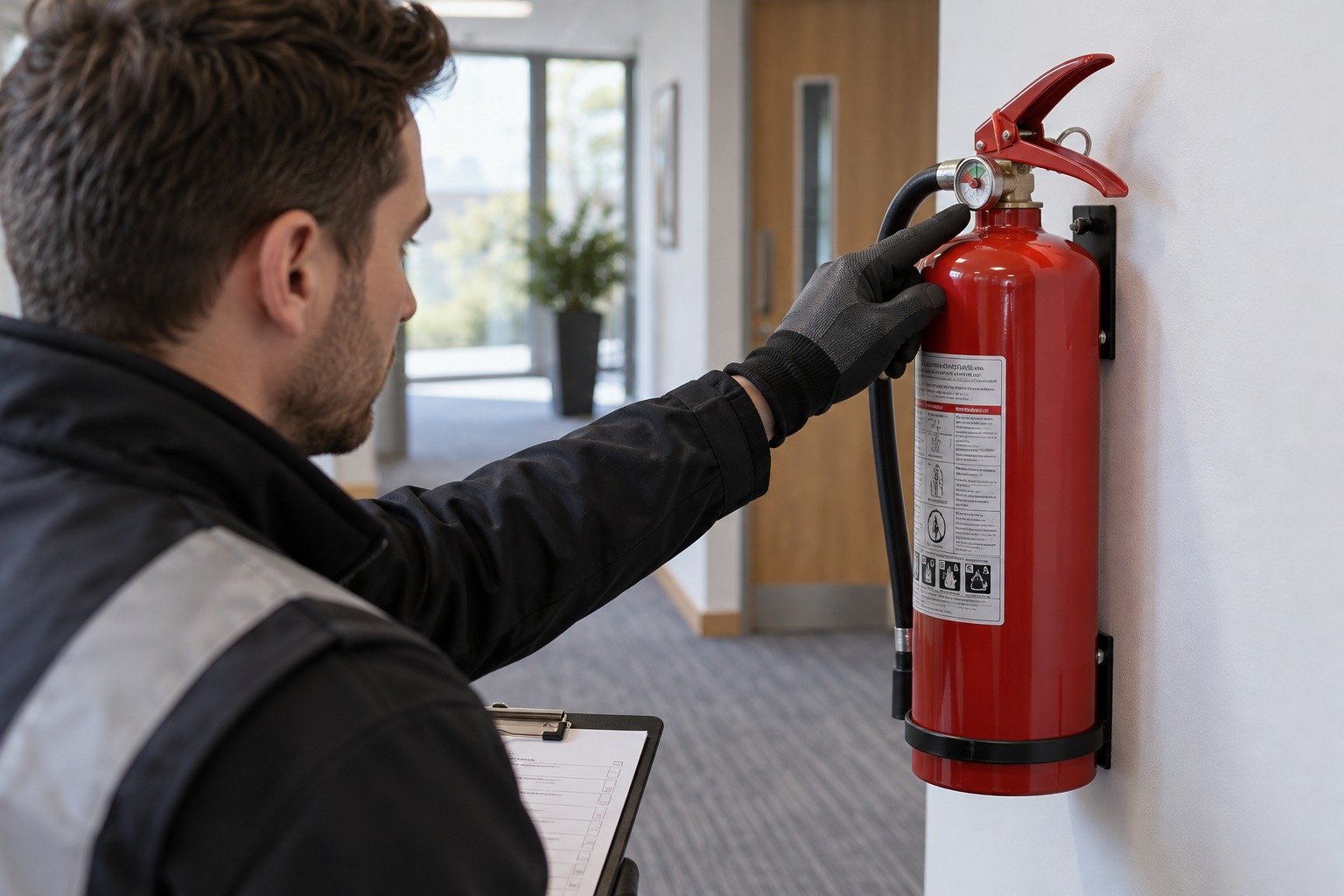
Fire risk assessment is an important part of fire safety management for non-domestic premises. Our assessment considers the applicable requirements for the premises and its use.
The approach is proportionate to the size, use and complexity of the building, with practical recommendations and prioritised actions.
Professional and reliable service.
Clear quotations with no hidden costs in the agreed scope.
We aim to respond quickly to enquiries.
Serving customers across England, subject to service availability.
Supporting energy efficiency and sustainability.
Fire hazards can arise from electrical equipment, heating systems, combustible materials, storage arrangements and everyday working practices. Obstructed escape routes and unsuitable fire safety procedures can also increase the risk to occupants.
Our fire safety assessment considers the hazards, existing precautions and the needs of people using your premises.
If you own or manage commercial premises, understanding the fire risks within your building is an essential part of protecting employees, visitors and your business.
Ranova Energy provides commercial fire risk assessment services shaped around your premises, how they are used and the people who occupy them.
We help you understand the findings and identify practical next steps for improving fire safety.
Our approach focuses on findings that are easy to understand and recommendations you can act on.
Your assessment sets out the fire risks identified and recommended improvements, helping you prioritise action and manage fire safety more effectively.
Tell us about your building, its use and your assessment requirements.
We review relevant hazards, existing precautions and arrangements for protecting occupants.
Receive clear findings and prioritised recommendations to help you plan improvements.
Fire safety requires ongoing attention. Review your assessment when changes to the premises, activities, occupancy or safety arrangements could affect the findings.
Ranova Energy helps you identify fire hazards, understand the risks and prioritise improvements at your premises.
Book Your Fire Risk Assessment →Clear information for business owners, landlords and those responsible for premises in England and Wales.
Yes, where your premises fall within the scope of the Regulatory Reform (Fire Safety) Order 2005. The Responsible Person must arrange a suitable and sufficient assessment, record it and keep it under review.
The Order covers workplaces and the common parts of buildings containing two or more domestic premises, subject to its scope and exclusions. Scotland and Northern Ireland have their own fire safety legislation.
Reviews must take place regularly and whenever significant changes or concerns could make the assessment out of date. The law does not set one fixed annual interval for every building. Home Office guidance recognises an annual review as good practice for small, simple premises; the appropriate frequency depends on the risks and your assessor’s advice.
A review may check that earlier actions were completed, precautions remain effective and the building’s use has not changed. A new assessment may be needed where the circumstances justify it.
Has occupancy changed? Consider visitors, staffing, sleeping occupants and anyone who may need additional assistance to evacuate, including changes in mobility or dependency.
Consider the building’s use, layout, structure and alterations. Changes to rooms, escape routes or fire doors can affect the findings and the precautions needed.
Review activities, storage, equipment and management arrangements. Changes to training, maintenance or emergency procedures may introduce different risks.
For small, straightforward premises, a Responsible Person may be able to complete the assessment if they have the knowledge, experience and time to do it properly. If you cannot assess the risks adequately yourself, appoint a competent person with expertise suited to your building and its occupants.
BAFE SP205 third-party certification is one way to check a provider’s assessed competence. Certification is not a universal legal requirement for every assessor or every premises. Check the provider’s current certification scope, experience, references and suitability for your type of building.
The Responsible Person remains responsible for ensuring the assessment is suitable and that necessary action is taken.
Breaches of fire safety duties can lead to enforcement action and prosecution. Serious offences can carry unlimited fines or imprisonment. The exact consequences depend on the offence and circumstances.
Home Office: fire safety law and guidanceHome Office: assessment competence and reviewsGOV.UK: carrying out an assessmentFire and rescue service: choosing a competent assessorBAFE: SP205 and finding a registered providerGOV.UK: enforcement and penalties
General guidance, checked 31 October 2026. The requirements and assessment scope depend on your premises.